
House of Four Doors
By Lauren Coodley,
Lauren Coodley has written a quartet of innovative histories of Napa and published several books about Upton Sinclair, who spent most of his astonishing life in California. In this volume, she includes previously unpublished essays about Napa and Sinclair, along with her reflections on teaching inside and about the State Hospital, while developing the first classes in the History of American Women. The book maps the “four doors” of her writing life.
“This exquisite book of essays and poetry is deeply rooted in a feminist sensibility, glowing with the personal and political insights from this remarkable teacher, writer, philosopher, critic, mother. The hours spent with the author opens doors of revelation to both the writer’s and the reader’s reality.”
—Roxanne Dunbar-Ortiz. Author of An Indigenous Peoples’ History of the United States and Red Dirt: Growing Up Okie
“In this gem of a publication Coodley reflects on her decades of teaching; …”

About the author
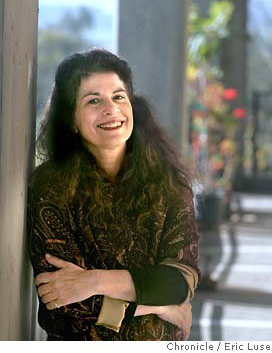
Lauren Coodley, Historian
Lauren Coodley began her career tutoring students for the GED and teaching night school psychology at the local junior college. She attained tenure the same year her son Nils was born; before that, she worked at least two jobs while raising her daughter Caitlin. She invented and taught classes ranging from overcoming math anxiety to children’s literature..
. . . I read a little at a time, savoring bright epiphanies. Lauren Coodley has a fine sense of rhythm and timing, but more importantly she has a sense of moments passing, flashbulbs of joy, of sorrow and of shame. She draws the reader into the work, letting them squeeze the grape of each line and savor the "sweet juice to wash the dirt down.”
—Kevin Fisher-Paulson, columnist, San Francisco Chronicle; author of A Song for Lost Angels
You'll also love
More titles by Lauren
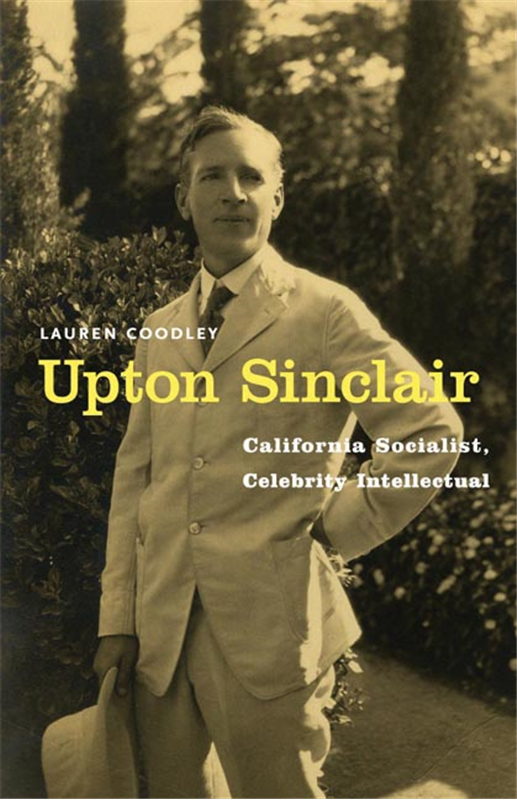
Upton Sinclair: California Socialist, Celebrity Intellectual
Lauren Coodley
Had Upton Sinclair not written a single book after The Jungle, he would still be famous. But Sinclair was a mere twenty-five years old when he wrote The Jungle, and over the next sixty-five years he wrote nearly eighty more books and won a Pulitzer Prize for fiction.
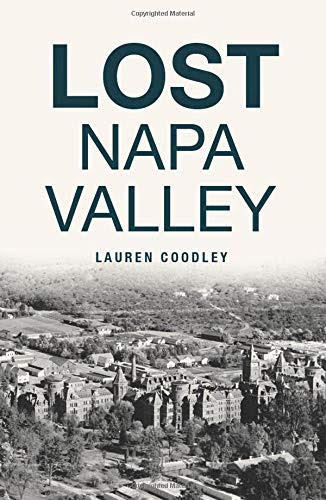
Lost Napa Valley
Lauren Coodley
Napa Valley, once known for its cattle and silver mines, has grown into an international wine destination. On the way, many buildings and institutions have vanished….
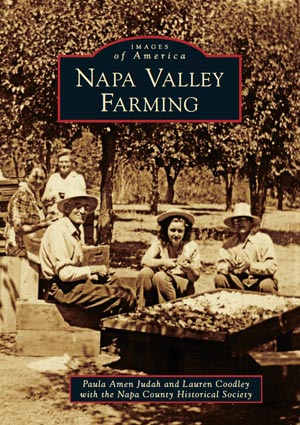
Napa Valley Farming
Paula Amen Judah and Lauren Coodley, with the Napa County Historical Society
Napans tend more than grapevines. The area’s diverse soil and mild climate make possible a generous yield of agricultural products. This book traces the cultivation of these products through a chronology of Napa’s farming history, from indigenous food plants to the orchards that were planted to feed gold miners — orchards that would soon function as both therapy and sustenance for the patients in the newly created Asylum.